Rue Daguerre
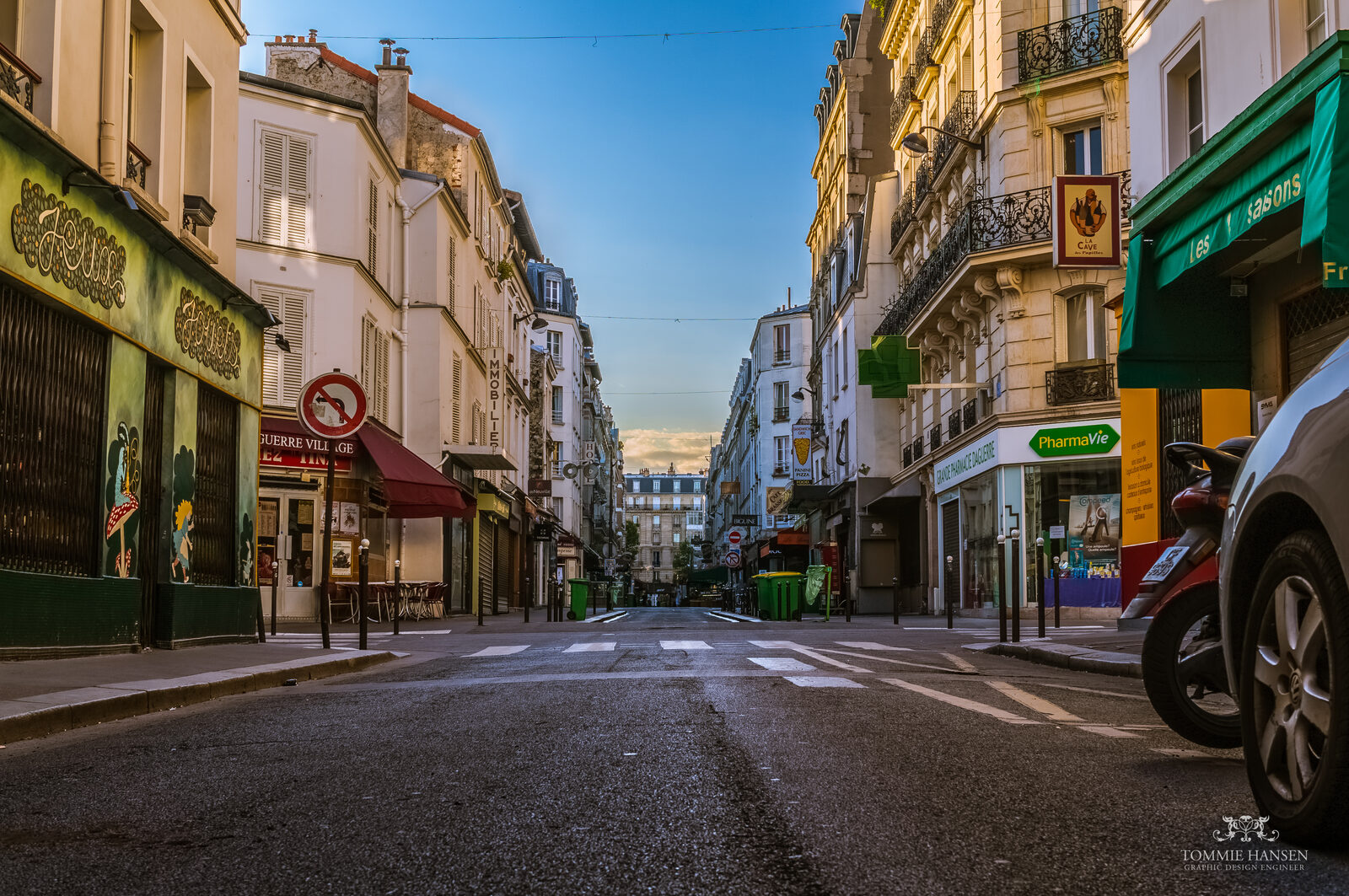
The pedestrian street of food lovers: greengrocers, cheesemongers, wine merchants, terraces. An open-air market every day.
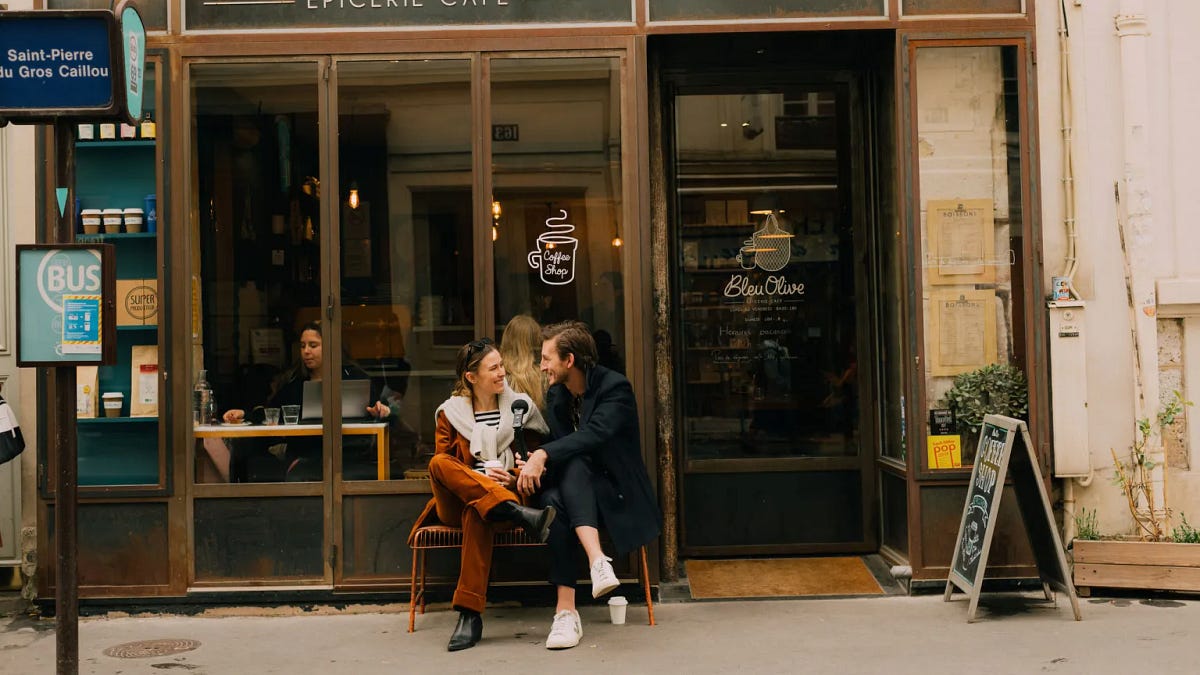
A village within the city. Five minutes from the metro. Twenty minutes from everything.

Among the many villages that make up Paris, Plaisance, on the edge of Montparnasse, is not the most famous, and that is precisely why it has kept its soul. A former working-class faubourg annexed to Paris in 1860, it still cultivates a popular, slightly defiant identity: artists' studios behind carriage doors, cobblestone streets that smell of warm bread, terraces where people linger, and cafés where the owner knows you by the third morning. Far from the crowds of the Right Bank, ten minutes from Montparnasse, the 14th moves to its own rhythm, that of Parisians who actually live here.
Plaisance metro (line 13) is a 5-min walk, heading to Saint-Lazare, the Champs and Montmartre. T3a tram along the southern ring. Three Vélib bike stations within 100 m. Buses 58, 62, 95 right at the door. And Gare Montparnasse ten minutes away for weekend trips out of town.
A one-hour loop to feel the soul of the neighborhood. Start at Place de Séoul, walk up to Notre-Dame-du-Travail, wander down Rue des Thermopyles, and end at Place de Catalogne, beneath Bofill's colonnades.
Ricardo Bofill's post-modern gesture: theatrical columns, staircases and façades, at the heart of the great Maine-Montparnasse project of the 70s and 80s.
One of the most surprising churches in Paris: a riveted iron nave like an industrial hall, a tribute to the workers who built the 1900 World Fair.
A 19th-century model of social housing: inner courtyards, workshops, modest dwellings, a quiet utopia that has crossed the century.
A green, cobblestoned enclave, suspended out of time. Wisterias, ivy, artists' studios: the village inside the village.
Bofill's other great composition: a circus of pale stone, a mirror fountain, opening to the southern Parisian sky.
On foot, in just a few minutes, you slip from one atmosphere to another. Markets, parks, theatres, places of memory: here are the stops we recommend.
The pedestrian street of food lovers: greengrocers, cheesemongers, wine merchants, terraces. An open-air market every day.
Six million souls neatly stacked beneath our feet, ten minutes from the door. Vertiginous, silent, unforgettable.
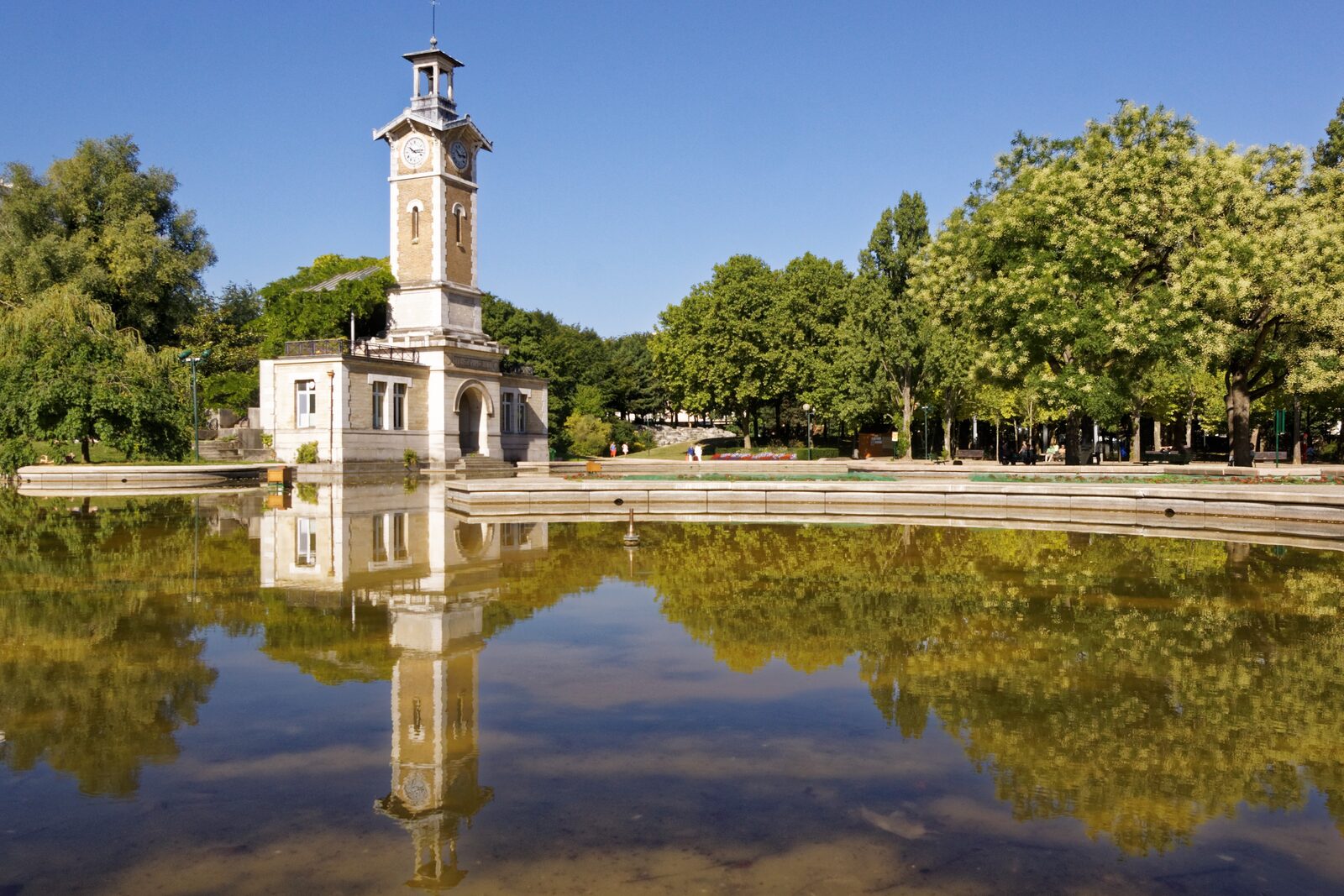
The great green lung of southern Paris. A lake, swans, sloping lawns, joggers at sunrise.
A world-campus of 40 pavilions by master architects, from Le Corbusier's Maison du Brésil to the Collège d'Espagne. A must to walk through.
The old street of pleasures: Bobino, the Théâtre Montparnasse, the Rive Gauche. A Paris of cabarets, still standing.
Sartre and Beauvoir, Baudelaire, Gainsbourg, Duras, Cortázar. A literary stroll, alley by alley.
Former horse market halls, vineyards, an old-book market on weekends. The Brassens spirit, in the open air.
Avenue du Général-Leclerc, its brasseries, the Saint-Pierre church, and bourgeois Paris drifting down toward Porte d'Orléans.
For the real addresses, my true favorites, the bakeries I love, the bistros where I take my friends, the cheesemonger you really should know, it's all in the neighborhood notebook.
Read the neighborhood notebook